


Take it from experience: one of the first questions asked of any Jerry Lewis fan who declares his admiration is, “Do you really find him funny?” The question isn’t as confrontational as it seems; read generously, there’s even a bit of a back-handed compliment in there. Sure, he’s an interesting case study in American celebrity, worthy of attention; the acknowledgement that, depending on the age and viewing habits of the interlocuter, he gave surprisingly supple, moving dramatic turns in The King of Comedy, Wiseguy, Funny Bones; and all right, he made you laugh as a kid. But now? Funny?
Well, I really do and always have. Lewis’s reaction to calamity—the spasmodic efforts at extraction, interspersed by rounds of disturbing calm, building to the burst of apoplectic frenzy that proves as futile as any other measure tried—is as iconic and hilarious as Keaton’s unperturbed fatalism or Groucho’s peevish snipes. Lazy impersonations of Lewis focus on the mania and miss those pauses the perfectionist, preternaturally gifted physical comedian would lace into his bits. A random limb swiftly raised then replaced just as quickly, the intention realized as useless almost the instant it’s conceived; the trailing-off sentence fragments and swallowed coughs, a need to articulate the dilemma strangled by the pointlessness (or impossibility?) of the effort; the childlike defensive stance, crouched so his butt sticks out and face juts forward, and cautious tread—more a single legged-pivot with, somehow, forward momentum—around the problem; the hand briefly cradling the brow beginning to seethe. It’s a magnificent collection of cancelled gestures and never-stated oaths, as if even Lewis’s frustration was being frustrated. And then—and only then, snarky shouters of nasal freundlavens should note—the explosion.
Read More “How do you not find that hilarious? Celebrating Jerry Lewis”

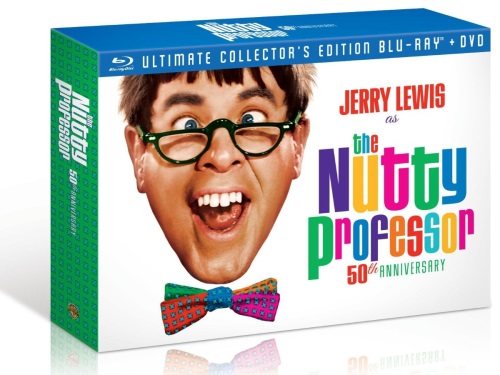 Whether you believe Jerry Lewis is a comic genius, a braying clown, a shrewd show-biz pro who carefully cultivated a popular stage and screen persona, a hopeless egotist with a cringing need for attention, or simply a comic with a gift for manic physical humor that clicked with audiences in the fifties and sixties, most people agree that The Nutty Professor was his greatest film as a director and his most interesting variation on the child-man figure he had transformed into Hollywood gold.